Reference Projects – dıvısıon of a landscape
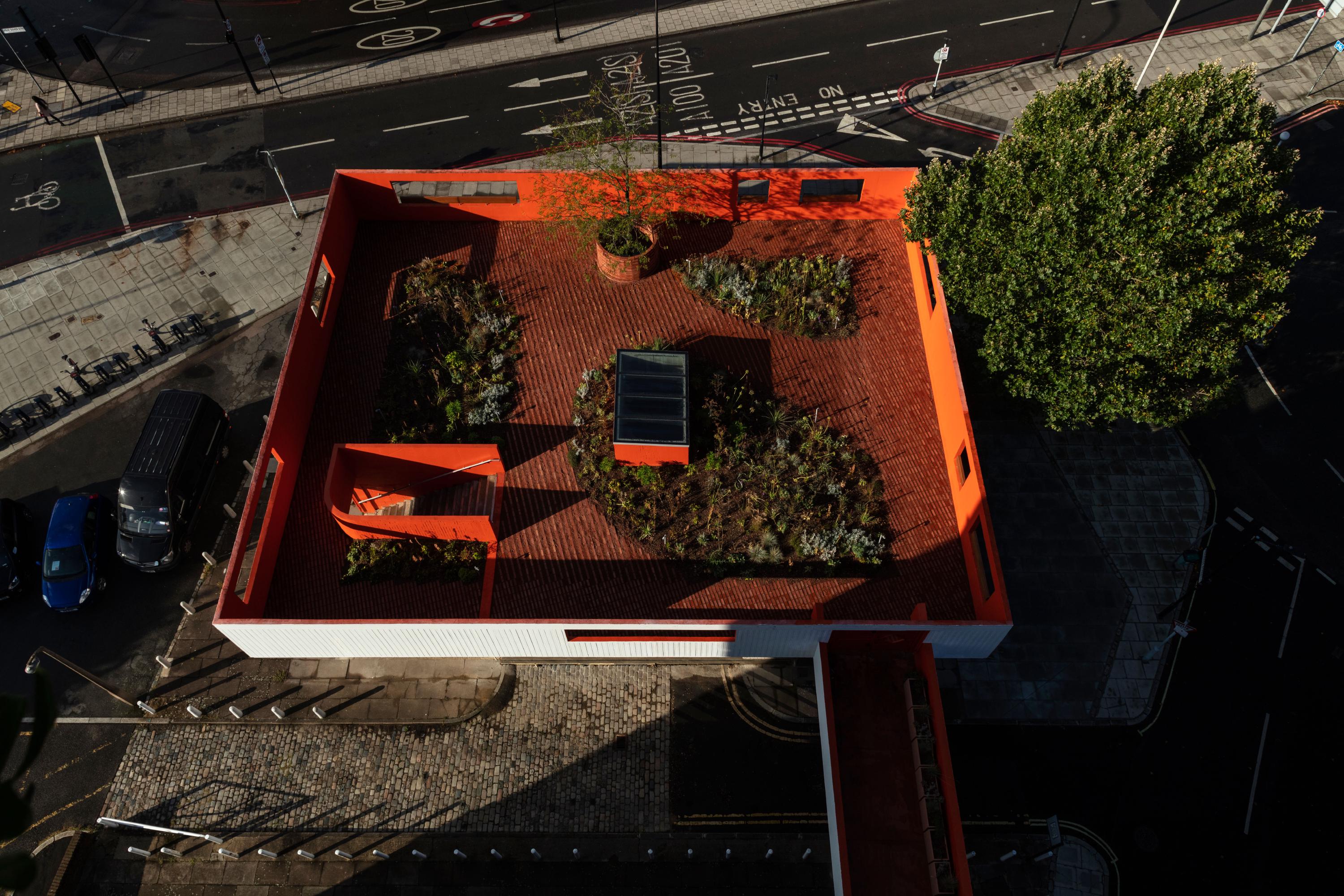
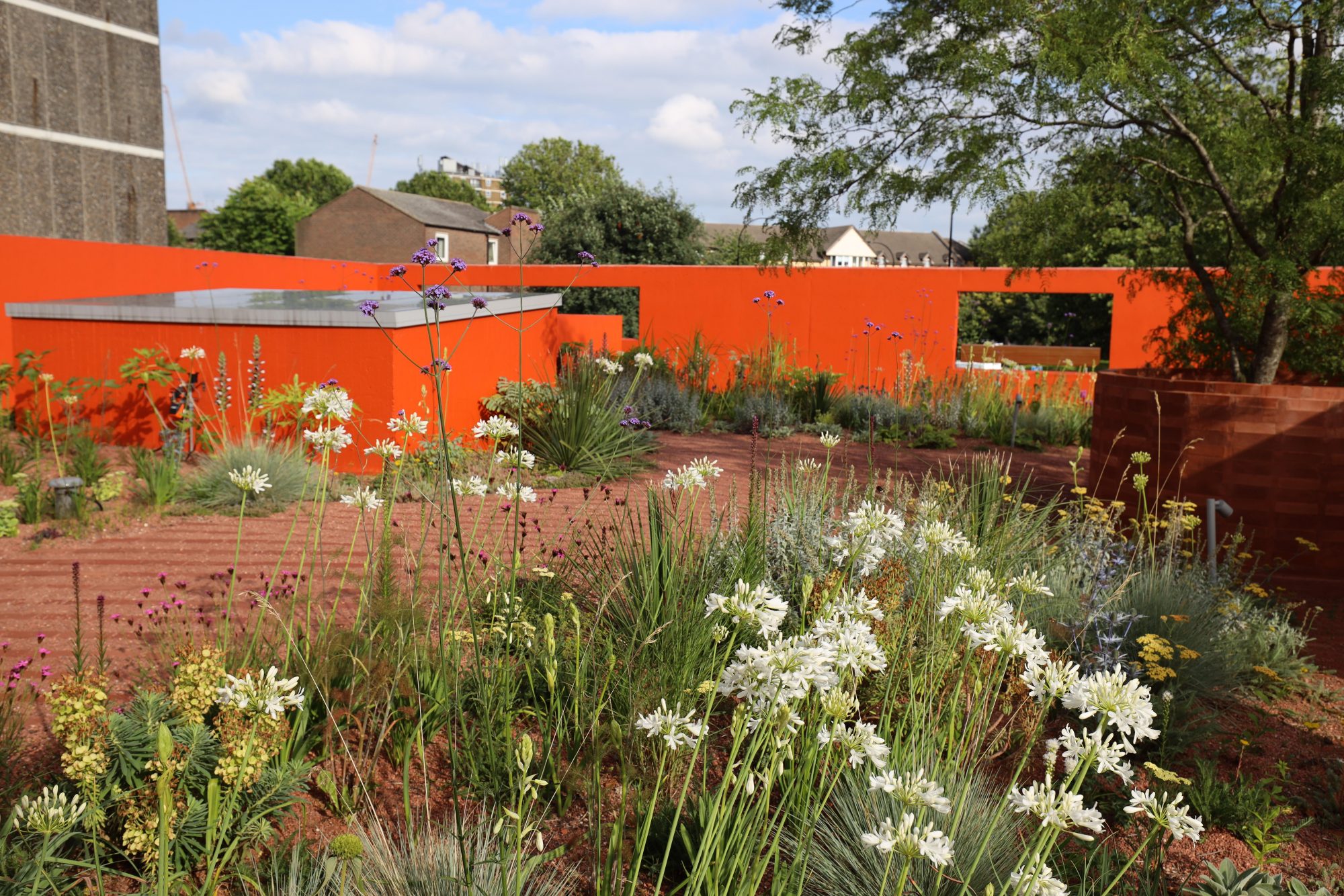
1. Cornelia Oberlander – Green Roof
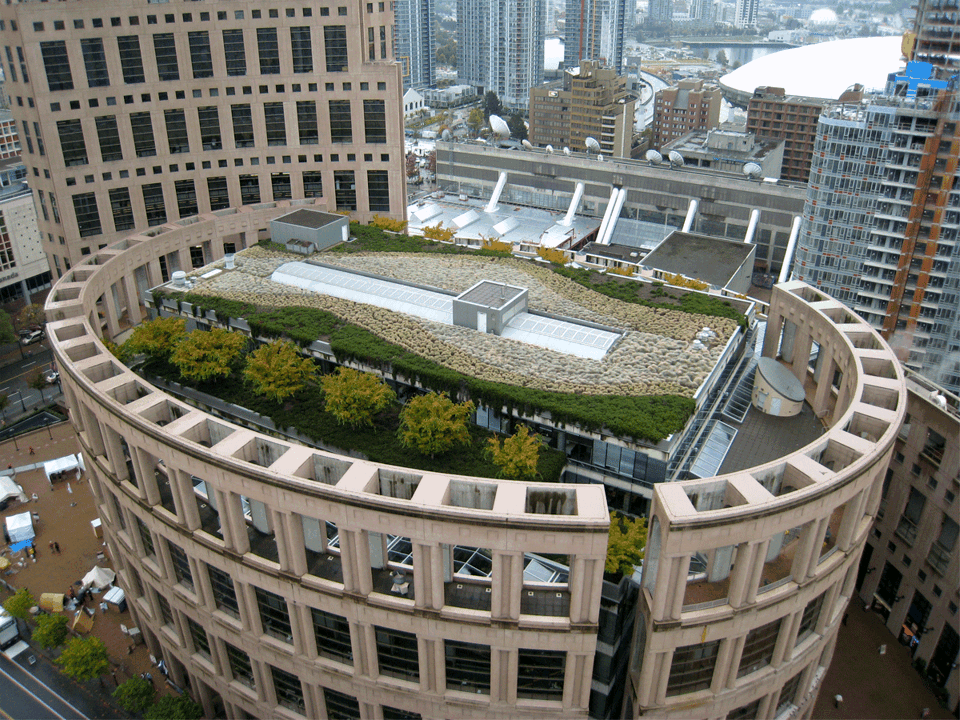
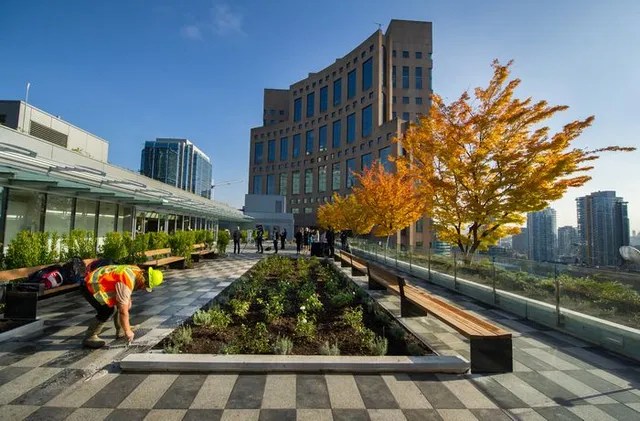
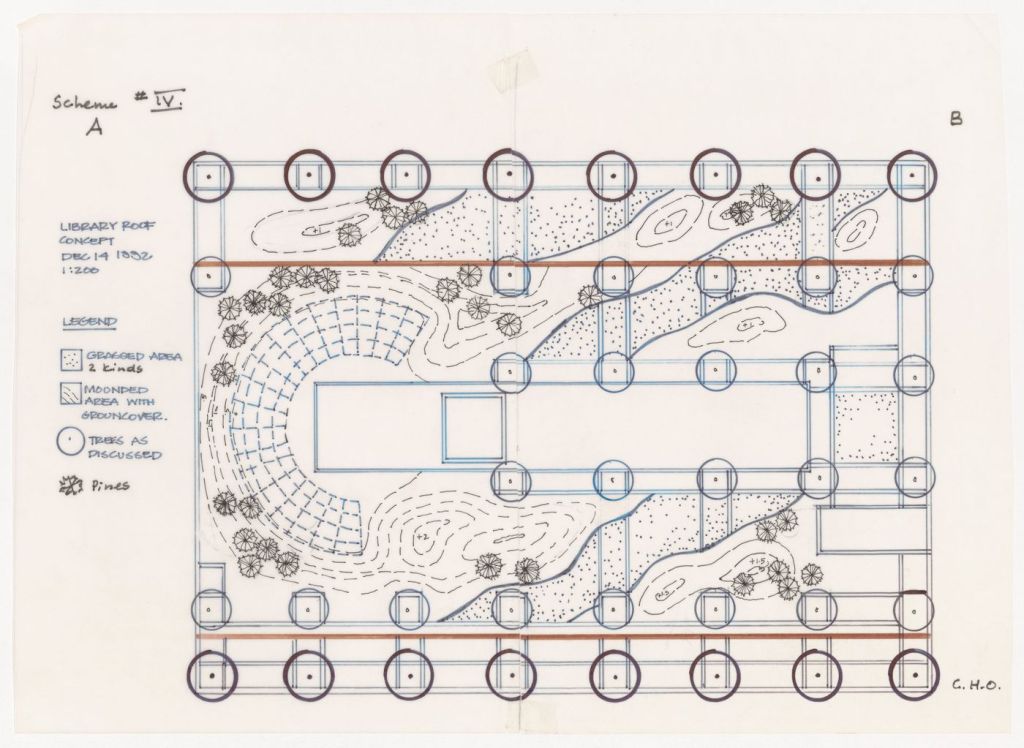
Circulation axis/linear motion field
- orientation + spatial organization
- Connects the entrance and the viewing spots
- Slow and experienced circulation instead of quick and inexperienced transitions.
Semi- closed areas
- Plant height and mass were used as spatial dividers.
- rest + privacy
Open viewing areas
- The area is surrounded by tall, massive plants to provide shelter from wind and noise, but specific points are left open, creating a deliberate contrast between enclosed and open spaces.
2. The high line
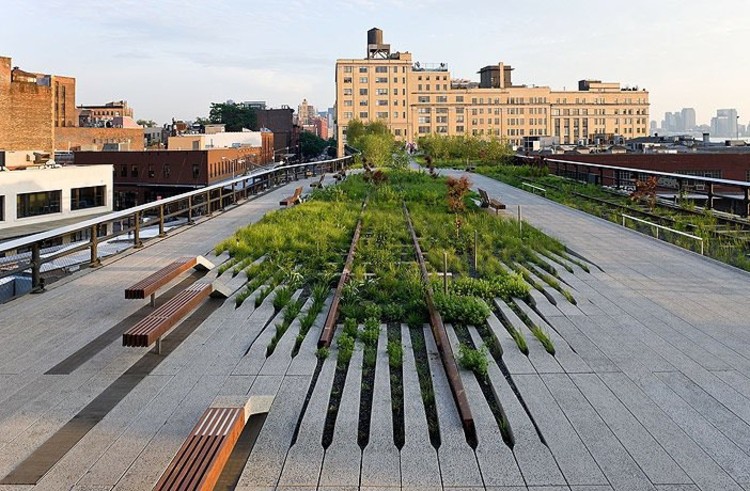
Linear spine
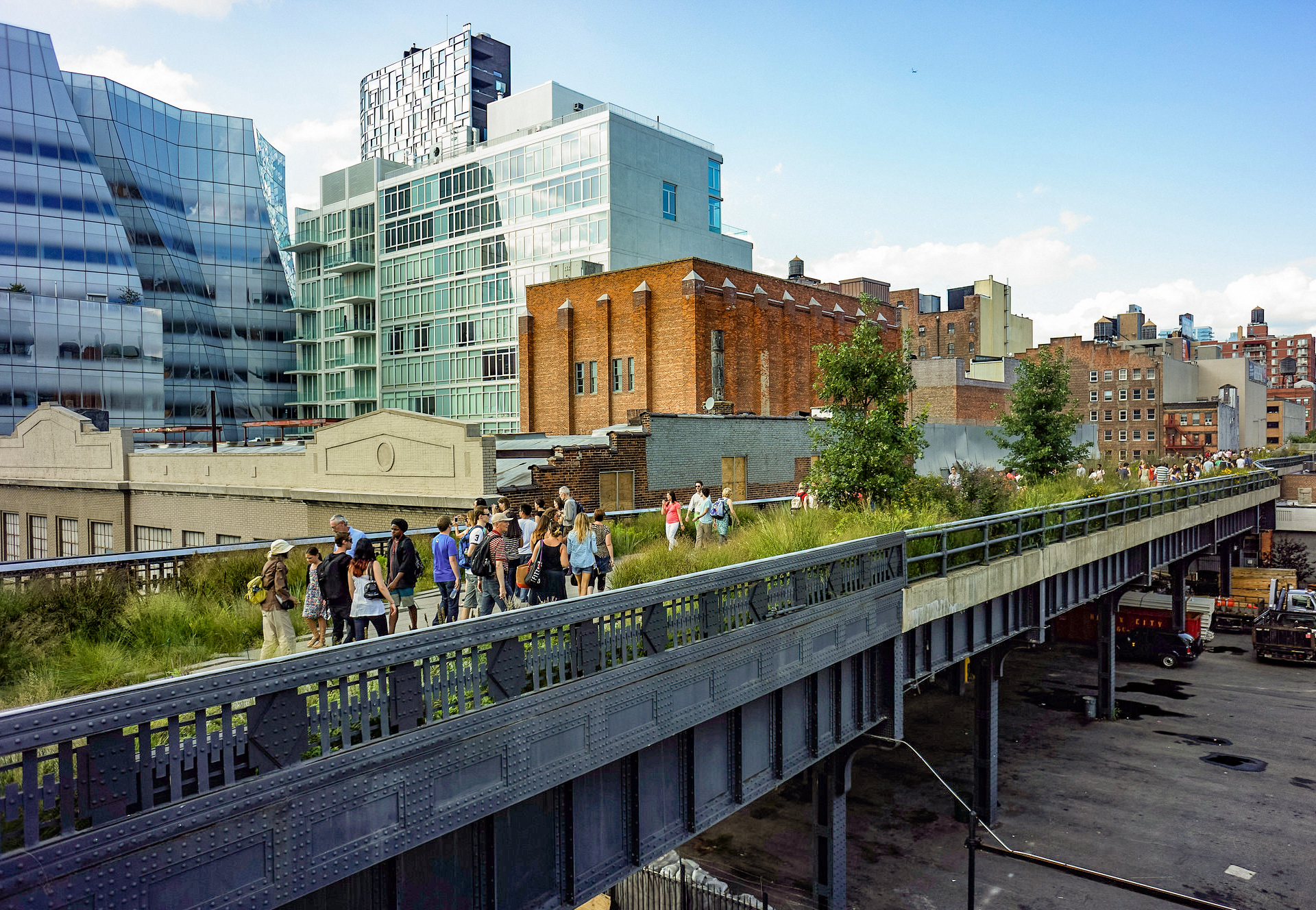
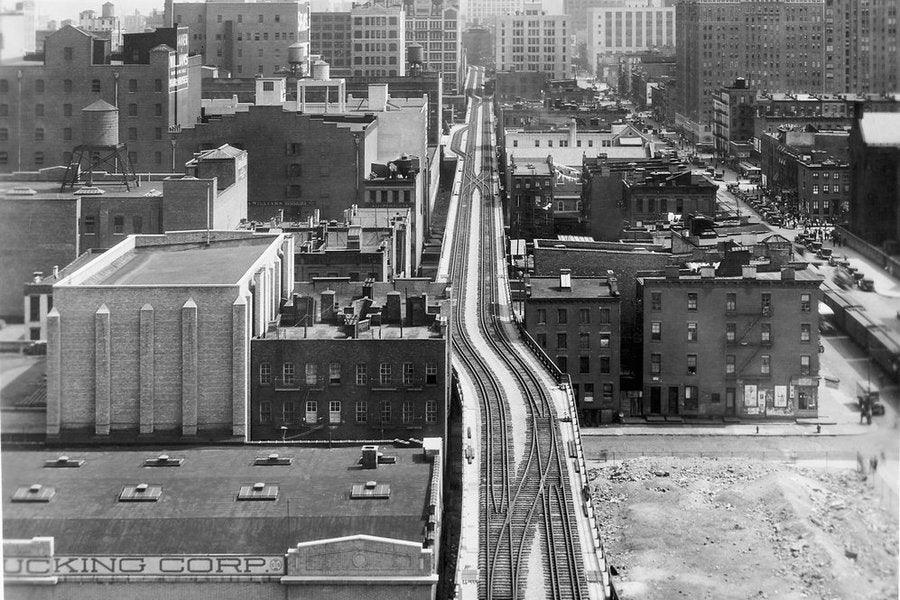
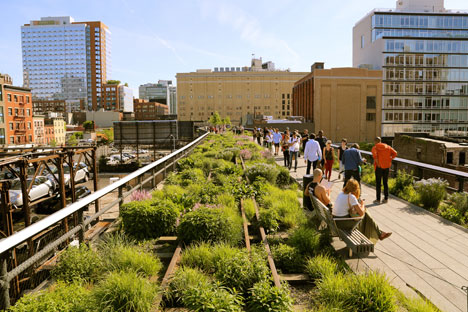
- Continuous walking path that makes transitions between spaces fluid.
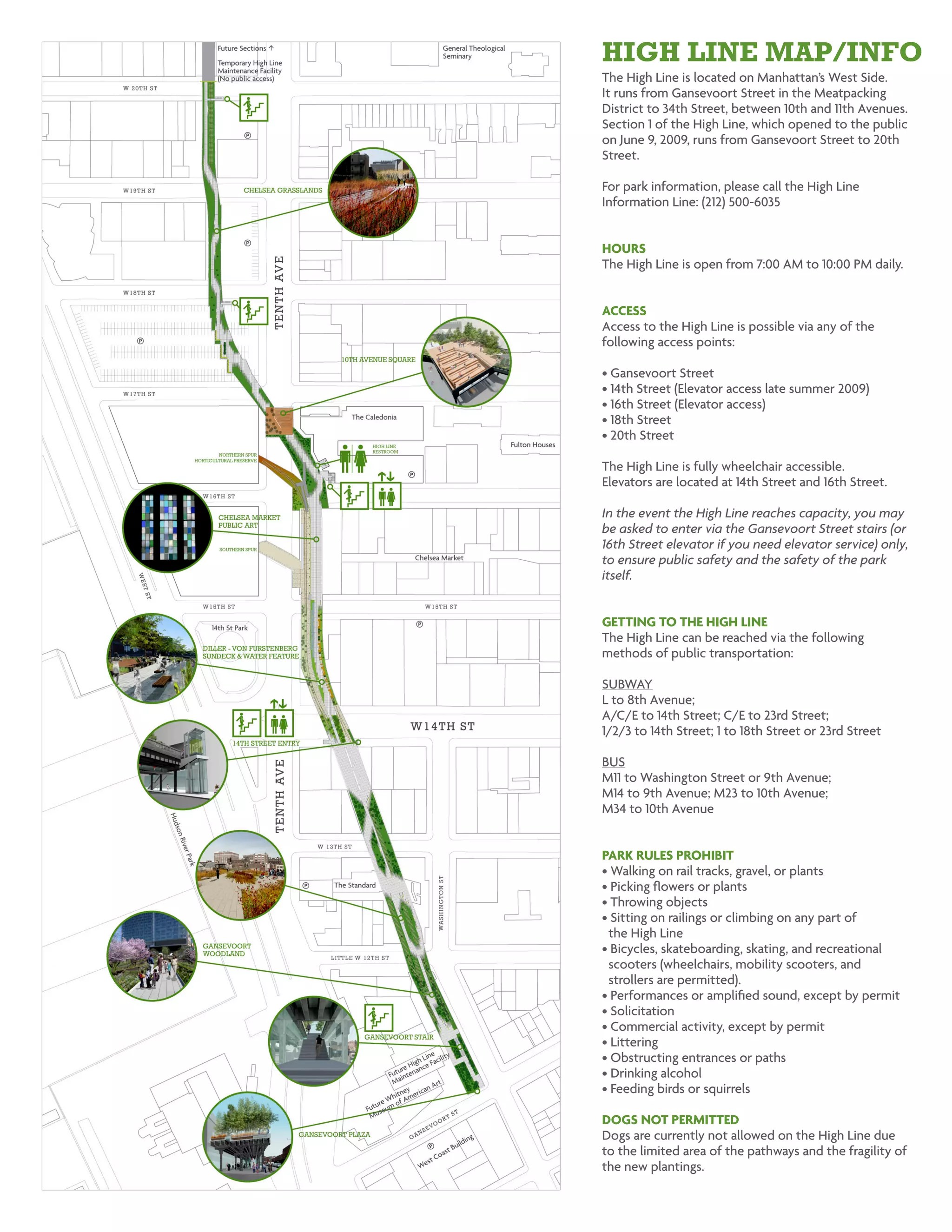
- It is not uniform; it is divided into sub-sections with varying widths and floor transitions.
Sequential spaces – rhythmic division
- open viewing area
- dense vegetation
- hard-surfaced urban terraces
- amphitheater-style seating areas
- shaded niches
- The character of the place changes block by block.
- changing space experience while walking
Open – semi-closed – closed feeling
- division not by rigid boundaries
- plants
- seating areas
- elevation difference
Division according to entry points
- Staircase and elevator entrances determine the density map of the park.
- Areas near the entrance = more crowded, social
- Middle sections = quieter
- Extremes = natural character
3. Voux- le- Vicomte
Axis, symmetry, perspective
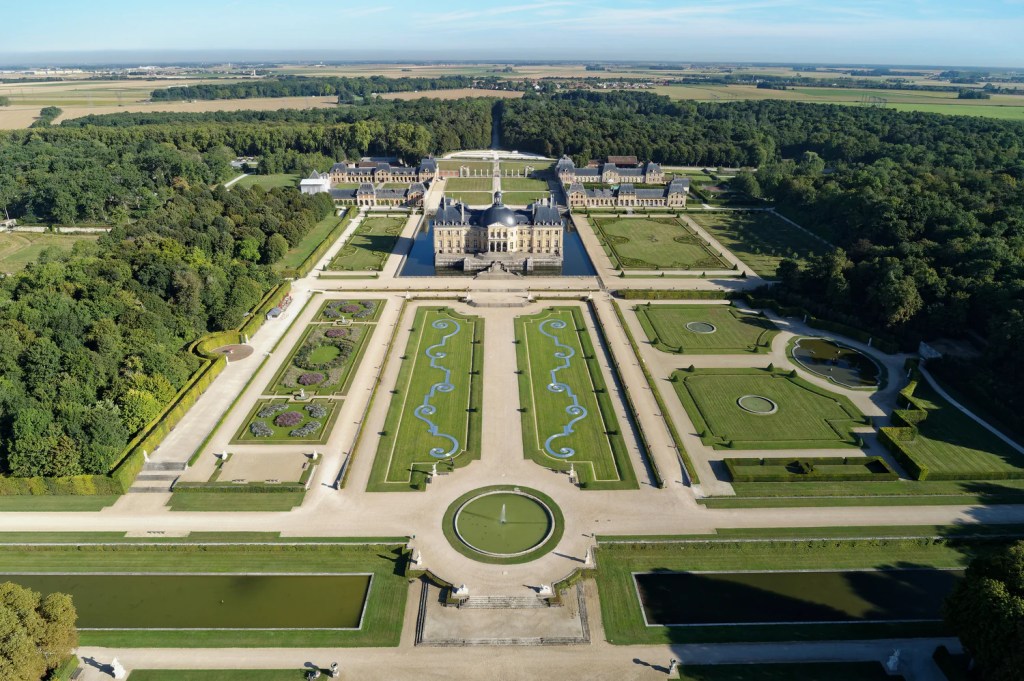
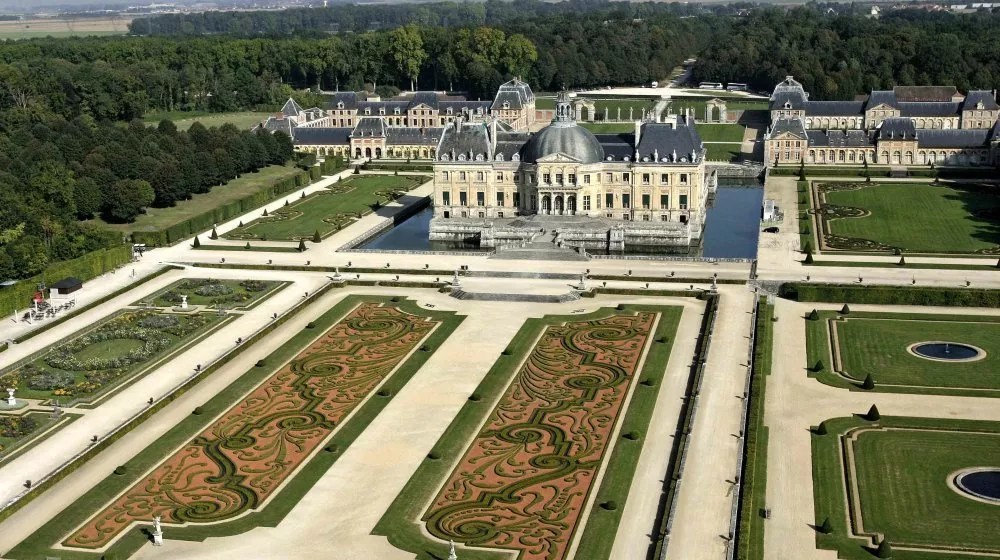
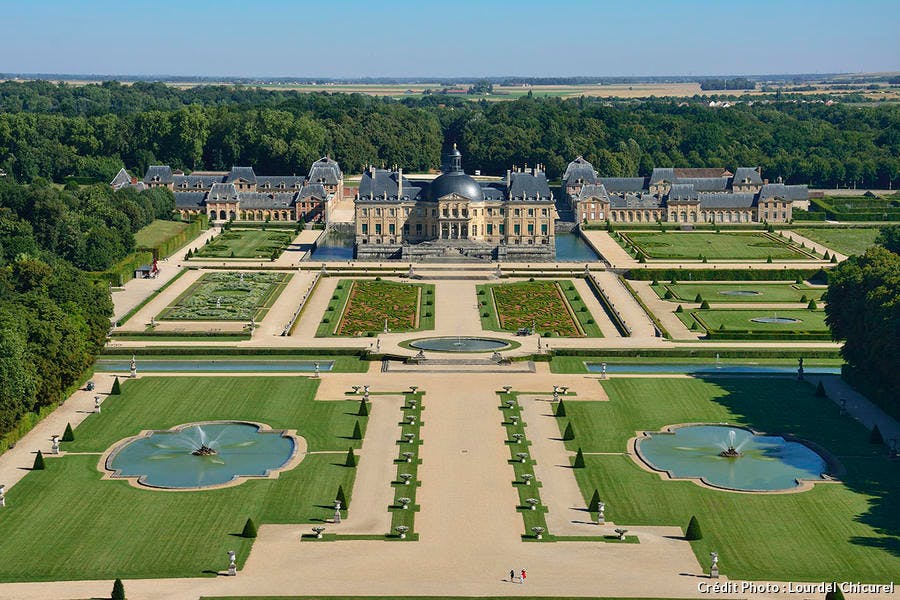
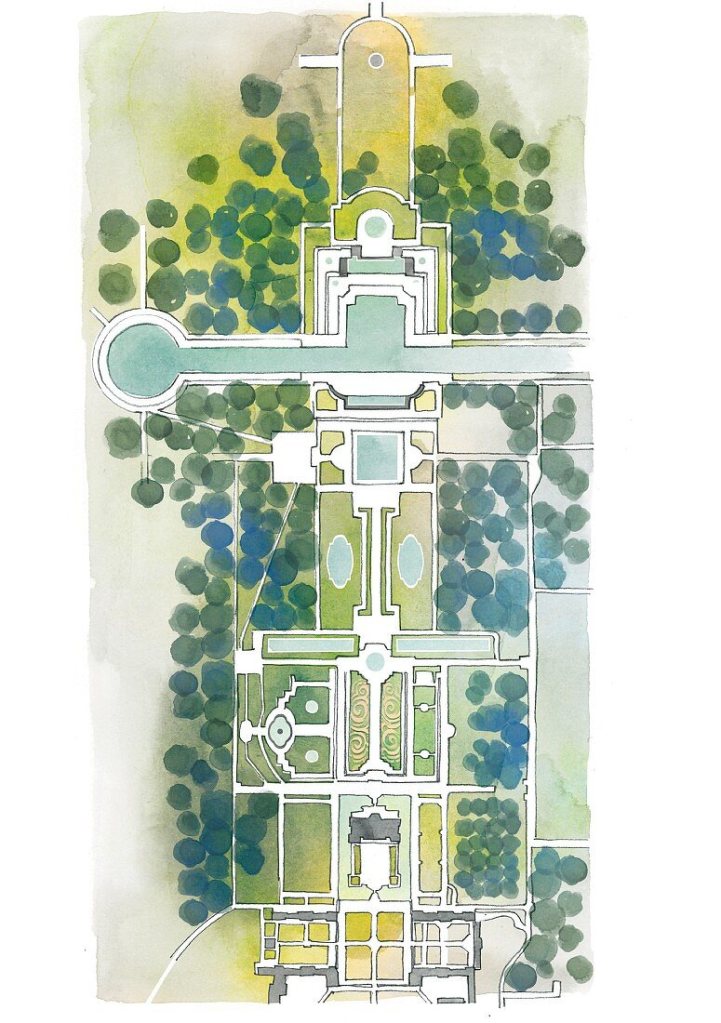
Geometric and hierarchical spatial division
Main axle
- the center is built on the main axis
- it divides the garden in half
- all the lower structures are arranged according to this spine
Geometric divisions
- Sharp geometric pattern
- Divides the space into modular square/rectangular sections
- Landscape section with the most control
Terracing – elevation difference
- Each elevation level offers a different spatial experience
- The difference in elevation divides the space vertically, not horizontally
Bosquet (grove rooms)
- semi-enclosed rooms surrounded by trees
- This system divides a large-scale open space into small-scale controlled rooms.
Hierarchical spatial ordering
- It spatially represents the ideology of absolute monarchy
- It is mathematically organized – designed as a display of power
4. Barbican estate – Beech gardens
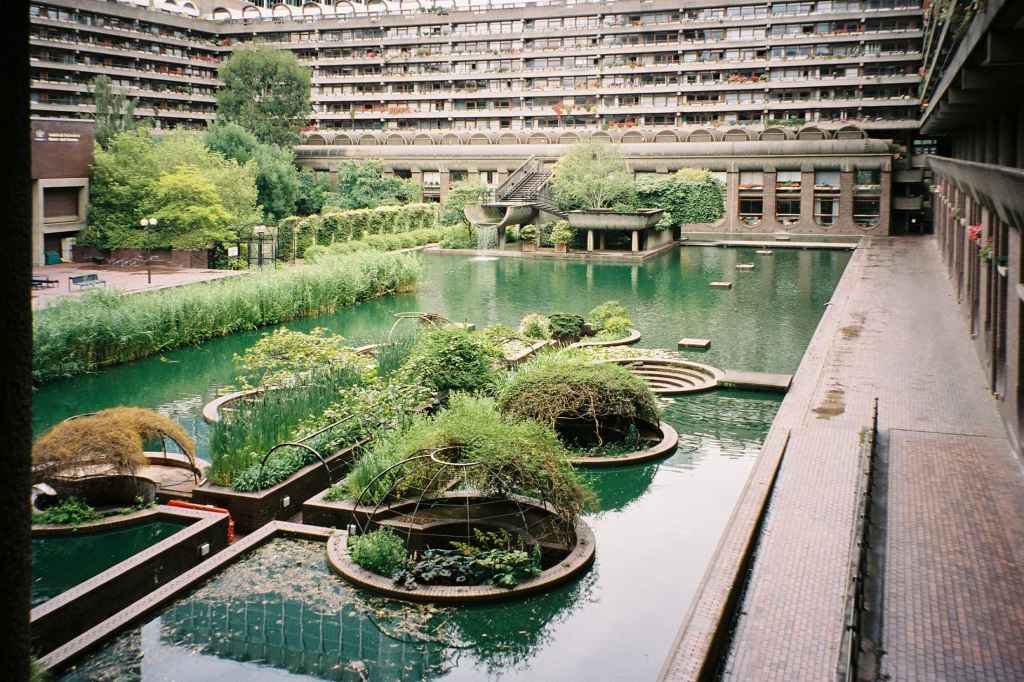
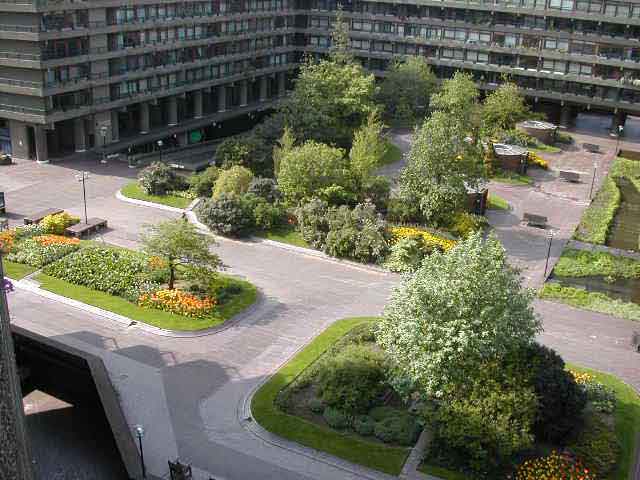
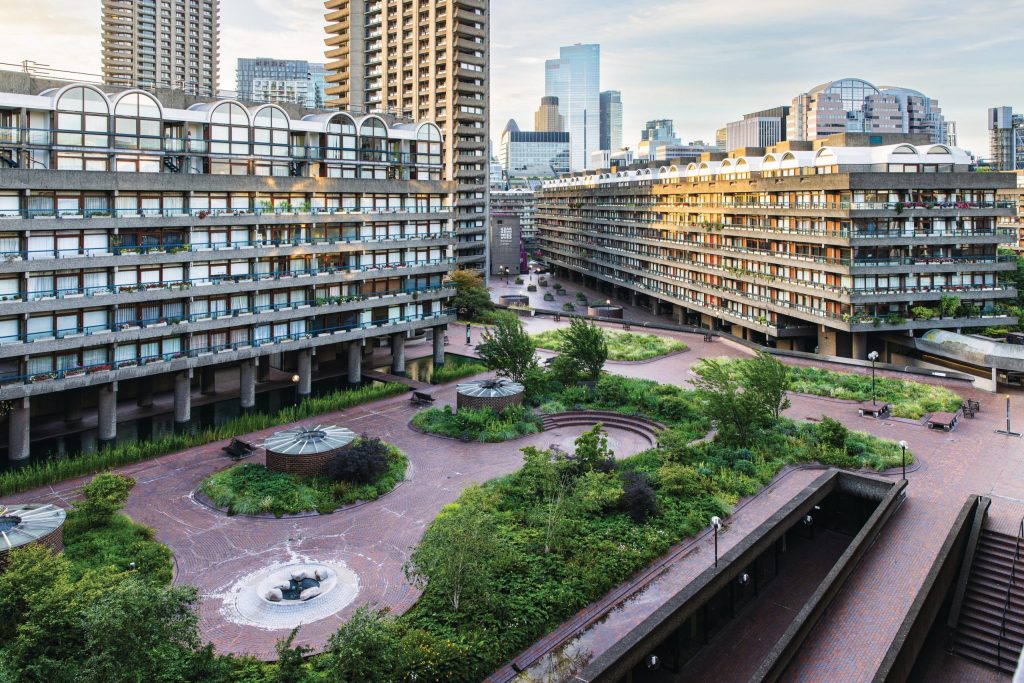
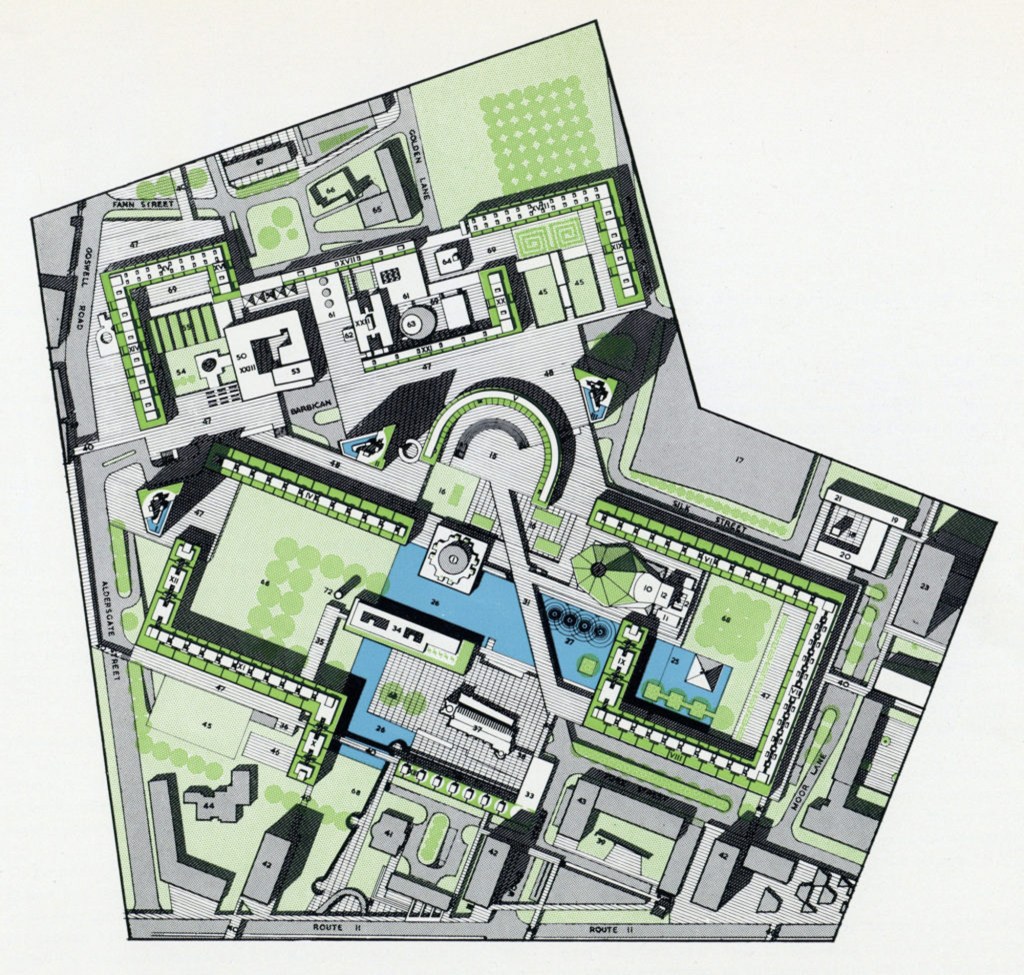
Brutalist architecture + landscape
Ground – landscape contrast
- walkways, terraces
- lawn, wooded areas
Division by elevation difference
- slightly raised lawn areas
- stepped transitions
- terrace effect
Vegetation mass – semi-enclosed areas
- linear plant boundaries
Transition area separation/functional zones
- Rest , lawn area
- Walking paths
- Transition platforms
- Seating areas
Surrounded by buildings, it becomes a public but controlled open space.
5. Peveril Gardens, Manchester
Core lawn space
- grass in the middle, open space
- visual continuity
- free use
Circulation divison
- paths that traverse the park diagonally or circumferentially
- transition lines connecting the entrances
Soft spatial division
- No hard walls, semi-permeable borders
- soft borders
SKETCHES
Reference Project – Cornelia Oberlander , Green Roof
Reference: Mostly tall and massive plants were used in the reference project. An experienced and slow circulation was aimed rather than an unexperienced journey. The idea under the project is to create spaces for both private and public.
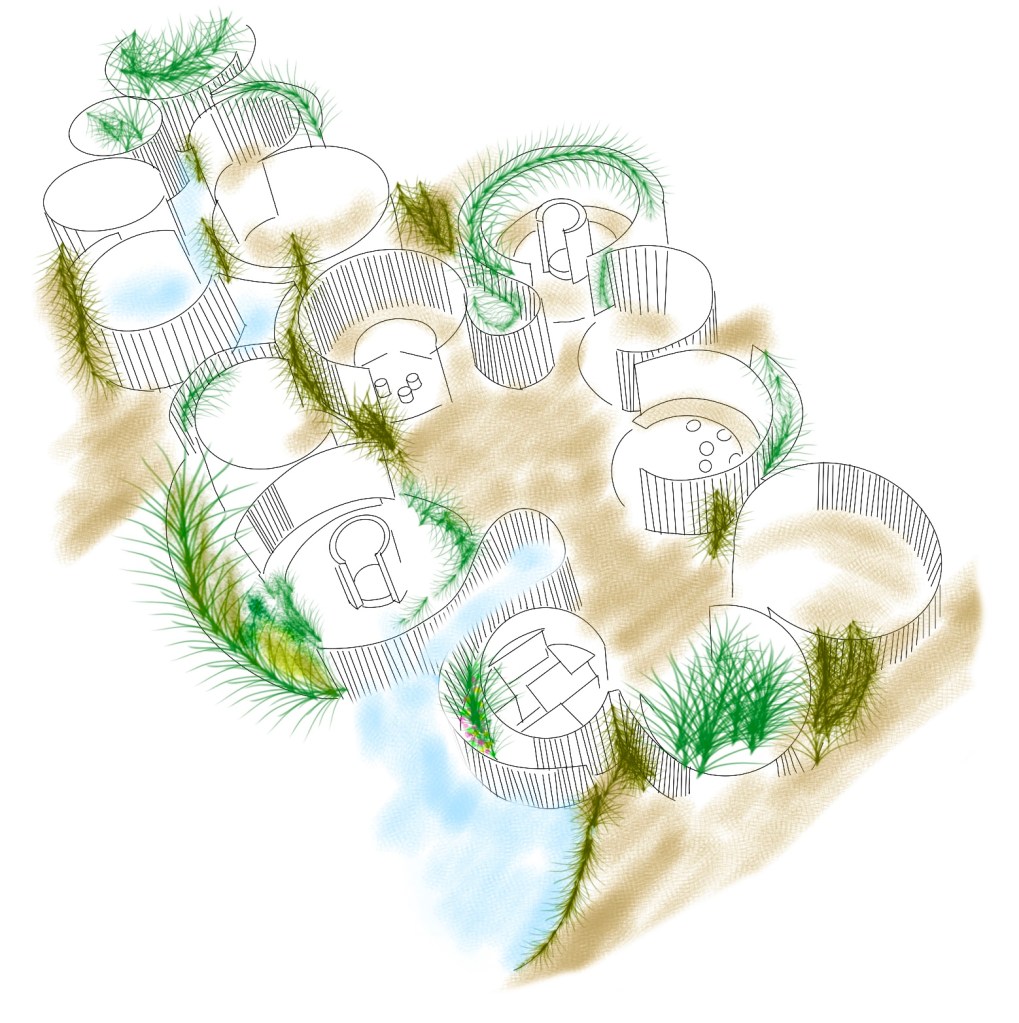
Sketch: The sketch aims to create a fine line between private and public spaces by dividing the area into small rooms. The system, which is also envisioned to include green spaces, would, much like the Green Rooftop project, help reduce the burden on city infrastructure by having plants absorb rainwater first and then evaporate it.
Reference Project – Voux- le- Vicomte
Reference: This system divides a large-scale open space into small-scale controlled rooms. Divides the space into modular square/rectangular sections. Space division is completely based on the main axis and contains a systematic approach.
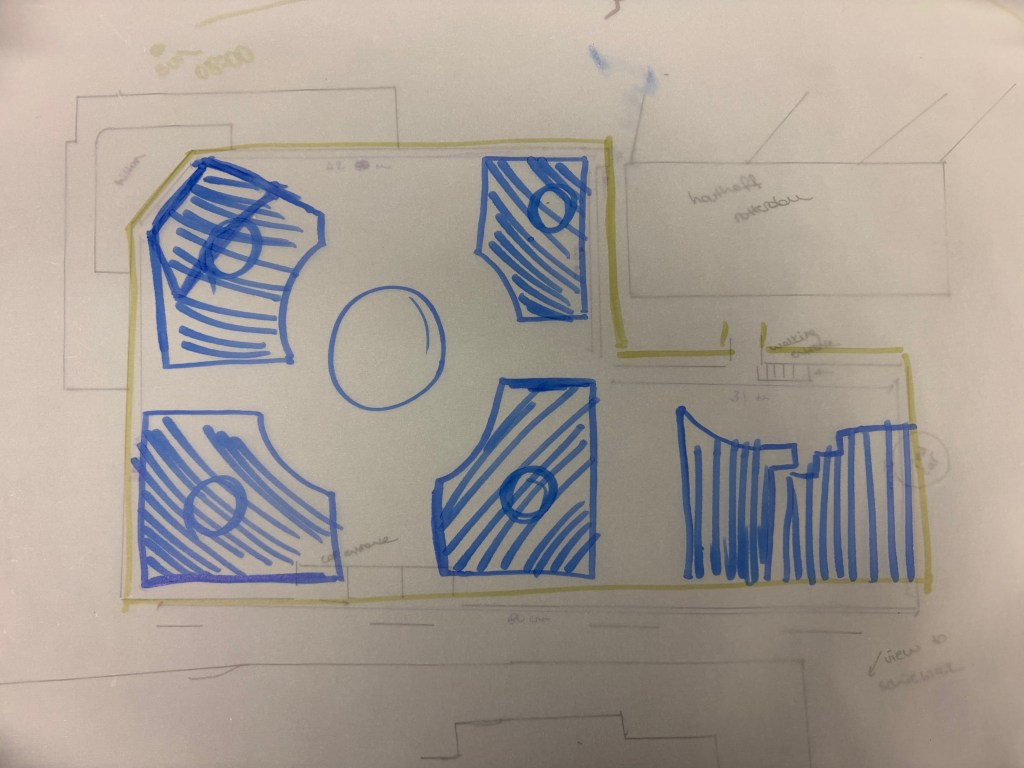
Sketch: This sketch is more systematic than other works, divided into large sections composed of geometric shapes.
Reference Project – Barbican estate – Beech gardens
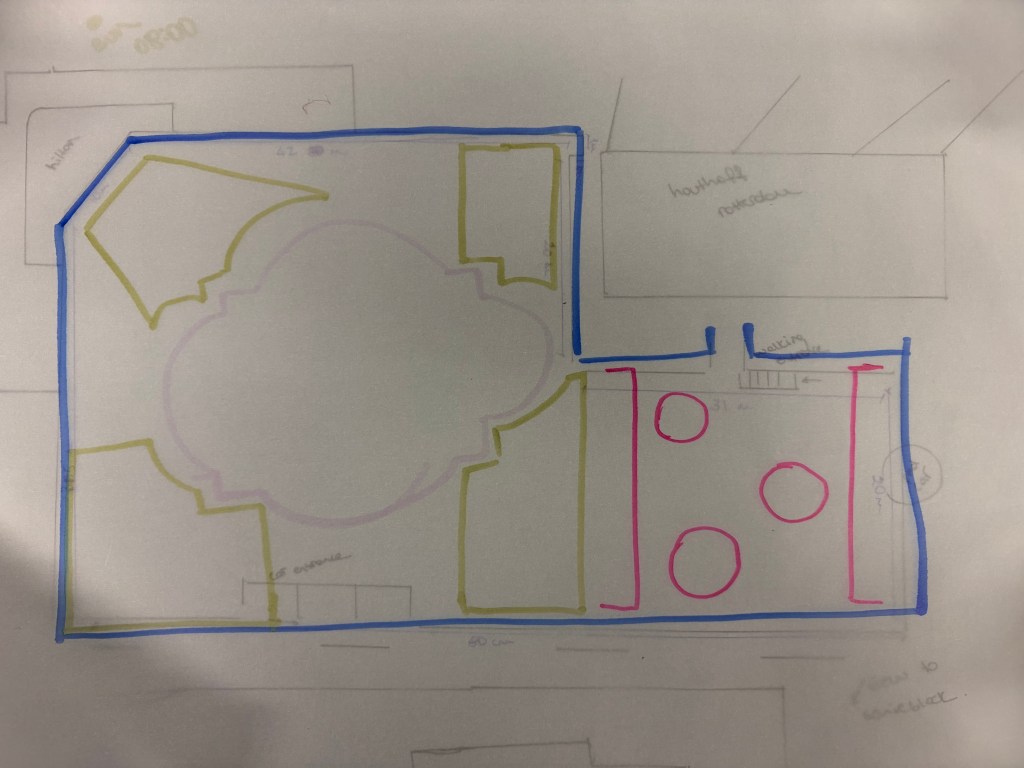
Reference: Division was made by the elevation difference; slightly raised lawn areas, stepped transitions, terrace effect. Despite being located between buildings, planting trees makes the area a more natural, public, yet controlled space.
Sketch: Divided into a stepped seating area amidst greenery.
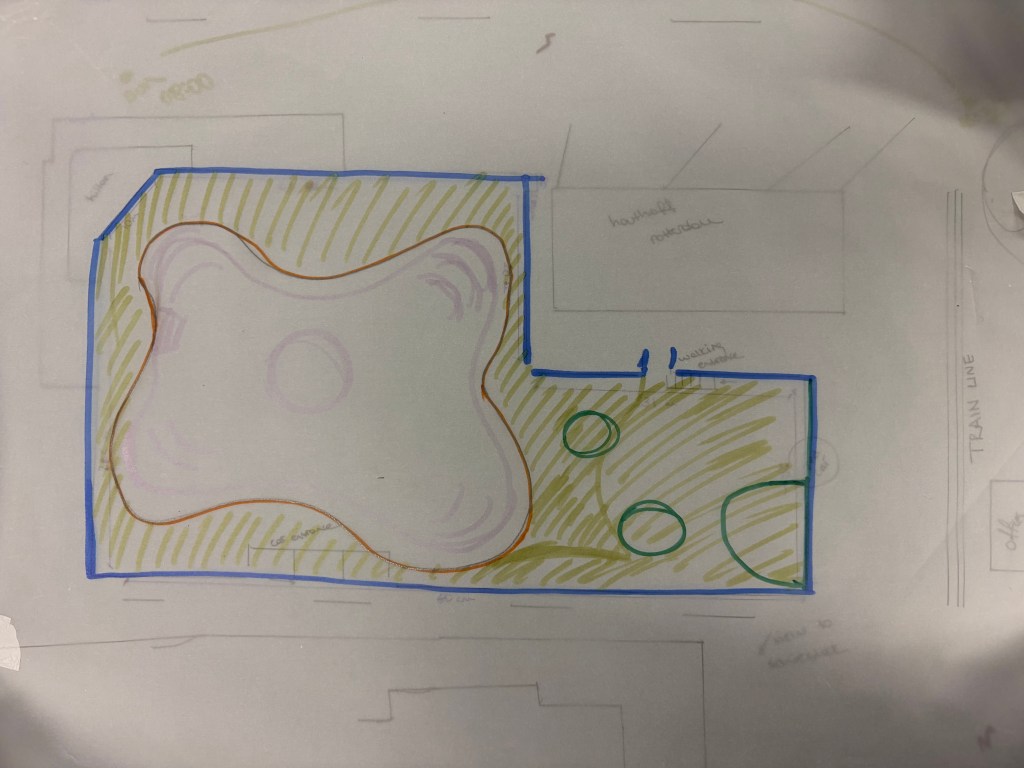
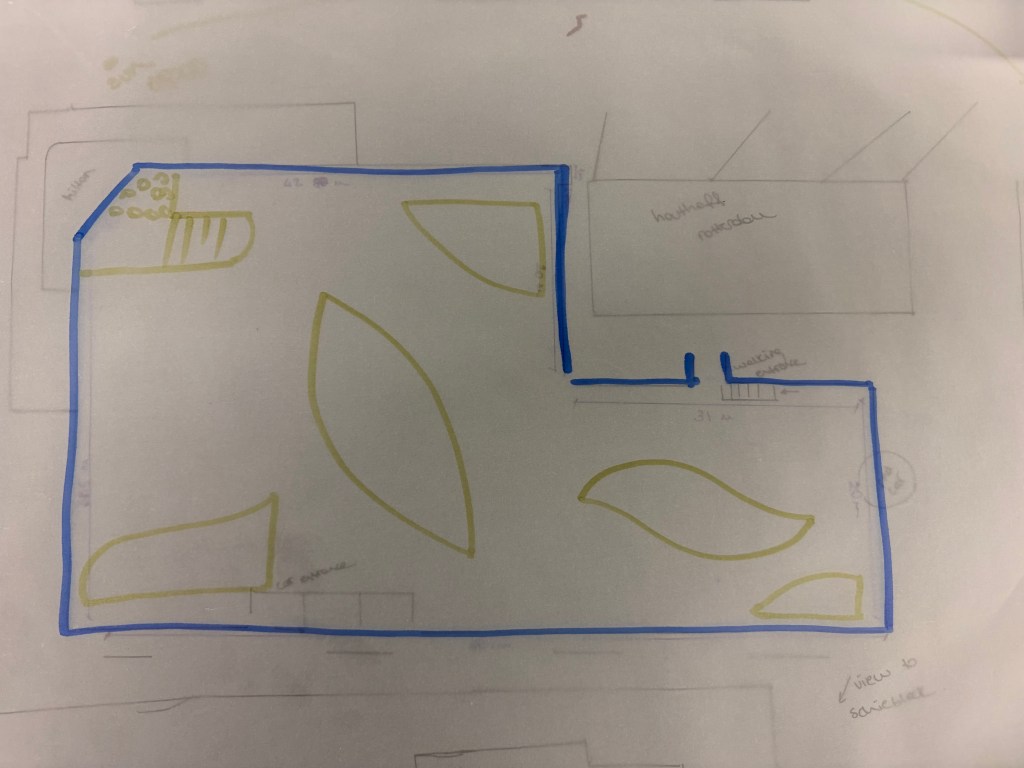
Reference Project – Peveril Gardens
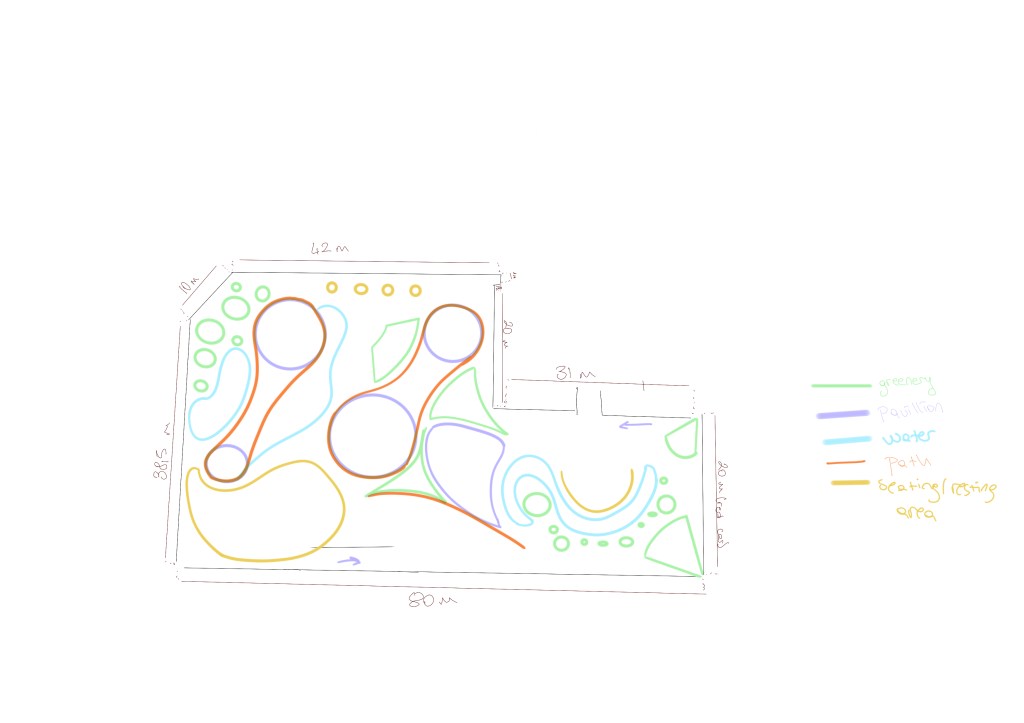
Reference: Divison made softly. No hard walls or definite boundaries have been drawn. Paths connected the entrances and aimed to create an open space.
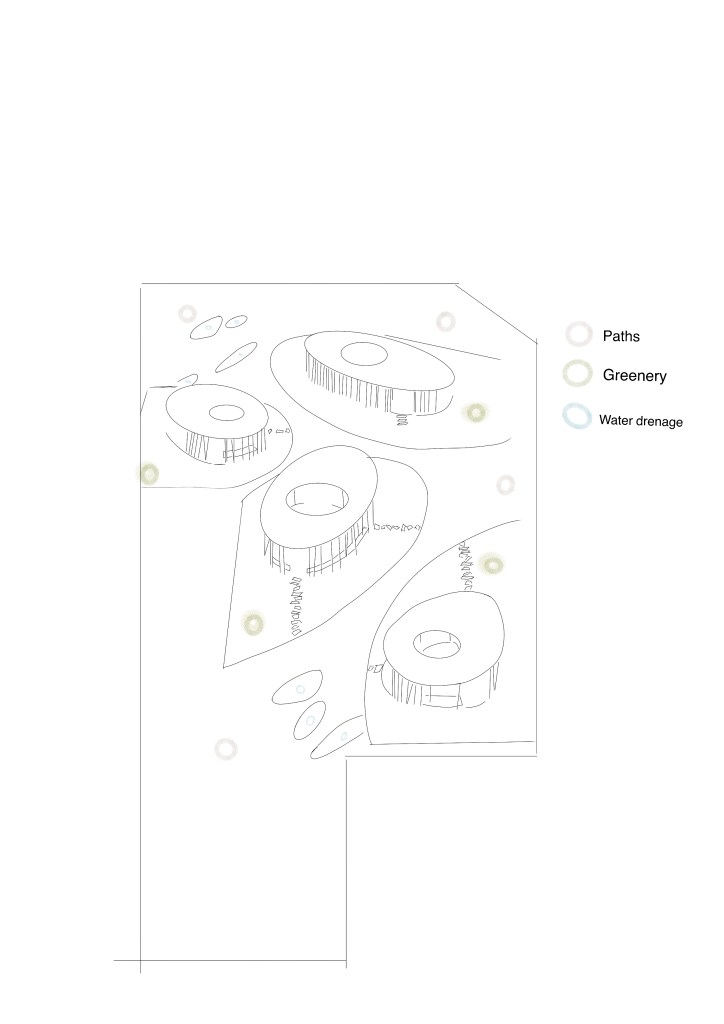
Sketches: The area is open, free, but systematically divided by greenery and various other elements using drawn patterns.
 ROOFTOP RESEARCH & DESIGN